









Top 15 Mistakes Vacation Rental Owners Make and How to Avoid Them: A Practical Guide for More Bookings and Better Reviews - Part 1

This is the first article in the series "Top 15 Mistakes Vacation Rental Owners Make and How to Avoid Them: A Practical Guide for More Bookings and Better Reviews". Across three articles, we will address the key challenges faced by private vacation rental owners in Croatia, starting with the fundamentals that most influence first impressions and the guest's final decision.
1. Poor quality photos of the vacation rental
Photos are usually the first thing guests notice about your vacation rental. On platforms like Booking.com and Airbnb, guests often don't read descriptions unless something visually appeals to them. If your photos are blurry, too dark, or show a messy space, it can give the wrong impression. On the other hand, clean, bright photos that show a cozy atmosphere make guests feel more comfortable booking with you.
Imagine two photos: one is taken at night with bright, too bright in some spots and too dark in others and a messy bed. The other is taken in the morning, with soft daylight, a tidy bed, and towels neatly placed on the nightstand. Which one would you pick?
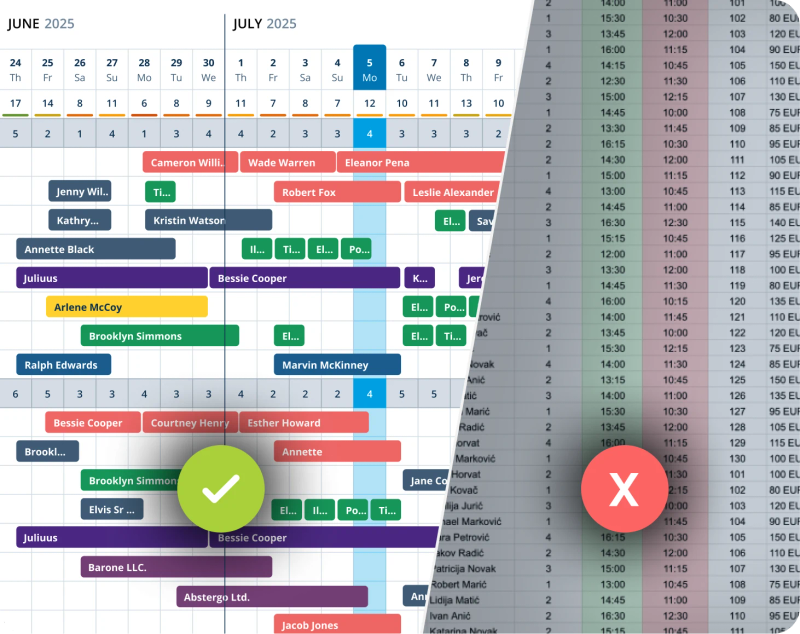
Example of a good and a bad photo

Try to take photos during the day when there’s natural light. Hold the camera steady and notice the small things in the room. Clear away personal items, take the photo from the corner to show more of the space, and skip heavy filters. If you’re using your phone, wipe the lens first, hold it sideways, and turn on HDR if your phone has it.
2. Incorrect pricing
A common mistake is setting prices arbitrarily without market analysis. Many vacation rental owners set prices "by feel" or simply copy neighbors. This leads to two problems: losing guests due to high prices in the off-season or losing revenue due to low prices during peak season.
Prices should reflect seasonal demand. For example, July rates can be twice as high as April's. Make sure your price covers things like cleaning, taxes, fees, and wear and tear.

Source: Ministry of Tourism of the Republic of Croatia (2024) Tourism in Numbers
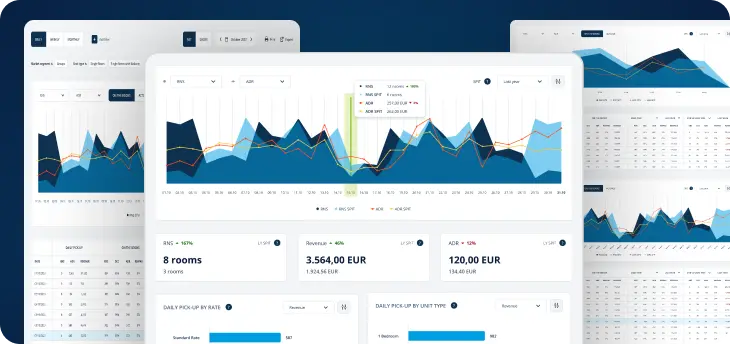
To optimize revenue, consider using tools like PriceLabs, which automatically suggest optimal prices based on real demand and competition.
3. Poor or slow communication with guests
Fast and friendly communication is one of the most important ways to attract and keep guests. On platforms like Airbnb, how quickly you respond can even affect how visible your listing is in search results. Guests really appreciate getting a reply within an hour, especially when the message feels personal and clear.
Bad example:
“It’s available.”
Good example:
“Hi, thanks for your message. The apartment is available for the dates you requested. The price includes everything - tourist tax and final cleaning are covered too. Let me know if you have any other questions, I’d be happy to help.”
A message like that is clear, helpful, and shows the guest they can count on you.
One thing that can save you time is creating a few message templates for common situations, like confirming a booking, sending a reminder before arrival, or thanking guests after their stay.
Try to avoid using overly casual or inappropriate language, and keep your messages short and to the point. If you’re not able to reply right away, it’s fine to send a quick thank-you and follow up later.
EXTRA: Tips for faster, better, and easier communication:

4. Outdated or incomplete listing
The description of your accommodation must be complete, clear, and regularly updated. Guests today use filters and don’t read every listing in detail. If you don’t include all amenities or the location, your listing might not even show up in search results.
Make sure to clearly state the number of guests, bed arrangements, vacation rental size, all amenities (Wi-Fi, air conditioning, washing machine, parking), house rules, and distances to key points.
Example of a generic description on OTA channels:

Descriptions like this help guests picture the location and build more trust.
Update all your listings every two months or after any change. Don’t forget about your Google My Business profile, personal website, and social media accounts either.
5. Lack of off-season rental strategy
Guests don’t only travel in July and August. More and more people are looking for accommodation in spring, autumn, or even winter. Digital nomads, couples without children, retirees, and local travelers all have different needs, which means they require a different approach.
To attract off-season guests, offer packages like "7 nights plus 1 free," allow late check-out, or include a welcome bottle of wine. Post your offers in Facebook groups, on Instagram, and through email newsletters. Make sure your website highlights seasonal deals and includes relevant keywords.
With long-term guests in the off-season, you'll not only fill your calendar, but also deal with less damage, enjoy quieter stays, and reduce stress.
Bonus: A calendar with suggested activities

If you've noticed a drop in bookings or that guests are increasingly choosing the competition, now is the right time to make some changes. Start with the basics: photos, pricing, communication, listings, and off-season strategy. You don’t have to do everything at once. Choose one tip and put it into action this week.
This is just the beginning. In the second and the third part of the series, we cover five more common mistakes that can lower your booking rate and guest satisfaction. Read the next part and take the next step toward a more successful season.


Daniel Herman is a growth marketing enthusiast with 10 years of marketing experience who enjoys thinking strategically and seeing the bigger picture. He writes about everything related to developing marketing activities and KPIs, branding, and taking a long-term approach to success, always with the goal of sharing useful ideas and inspiring action.